Strategy that changes behaviour
Why well-written wellbeing strategies so often fail to change what happens day to day.
Let's Be Real - Mental Health for Young Minds
For the educators and leaders who carry the weight of a school's wellbeing culture.
Why well-written wellbeing strategies so often fail to change what happens day to day.
Self care that survives a term, and how leaders protect their teams from burnout.
What MHFA-informed practice looks like when it is embedded rather than bolted on.
Transition, belonging and the particular pressures of mobile school communities.

Neurodivergence
When a diagnosis becomes a label in the classroom, fear of judgement can become a burden of its own. One 10-year-old’s story shows why supporting neurodivergent students means working with the whole school community, not only the individual child.
Jacqueline Klemke - 03/10/2026
Neurodivergence
October is ADHD Awareness Month. Beyond the statistics, this article looks at the strengths that often come with ADHD — creativity, energy, hyperfocus and original thinking — and why ADHD can look very different from one young person to another, so schools need customised approaches rather than one-size-fits-all support.
Jacqueline Klemke - 02/10/2026

Mental Health Literacy
Most young people who struggle stay silent not because no one is there, but because they fear what speaking up will cost them. This article explains how stigma keeps people quiet, what young people are listening for, and how adults and schools can make opening up feel safe and normal.
Jacqueline Klemke - 26/09/2026

Parents
Shrugs, one-word answers and closed doors can leave parents feeling shut out. This article explains why teenagers go quiet and shares gentle, practical ways to keep connection alive, from side-by-side conversations to listening without rushing to fix.
Jacqueline Klemke - 26/09/2026

Parents
Needing more privacy is a normal part of growing up, but some withdrawal is a sign that a young person is struggling. This article helps parents tell the difference, start a caring conversation and know when and where to seek support.
Jacqueline Klemke - 24/09/2026

Parents
Social media can be a place of connection and creativity, and a constant mirror that measures looks and popularity. This article explores how feeds shape teenage self-worth and offers conversation starters and small changes that help.
Jacqueline Klemke - 22/09/2026

Neurodivergence
Neurodivergent students often experience distress in ways standard wellbeing guidance was never written for. This article looks at how anxiety and burnout show up differently, why the usual supportive conversation can misfire, and what schools can change so a shared mental health language includes every mind.
Jacqueline Klemke - 19/08/2026
Mental Health Literacy
Mobility, multilingual communities and staff turnover make shared understanding harder to sustain in international schools. This article explains what mental health literacy is, why it matters here in particular, and how schools can build a common language across students, staff and families.
Nick Praulins - 05/08/2026

Wellbeing and Mental Health
Schools and families both work hard on student wellbeing, usually in parallel rather than together. This article looks at the gap young people fall into when home and school describe difficulty differently, and the practical steps that close it.
Jacqueline Klemke - 05/08/2026
Youth Mental Health Response
Awareness was the achievement of the last decade. The question now is what a teacher does in the next five minutes after noticing that something is wrong. This article sets out what response training adds and how to make it stick.
Nick Praulins - 05/08/2026

Wellbeing and Mental Health
Why do so many international school wellbeing strategies fail to change what actually happens day to day? This article explores the gap between good intentions and lived behaviour, and explains what schools can do to design wellbeing systems that support staff and students in moments of uncertainty.
Nick Praulins - 04/02/2026
Mental Health
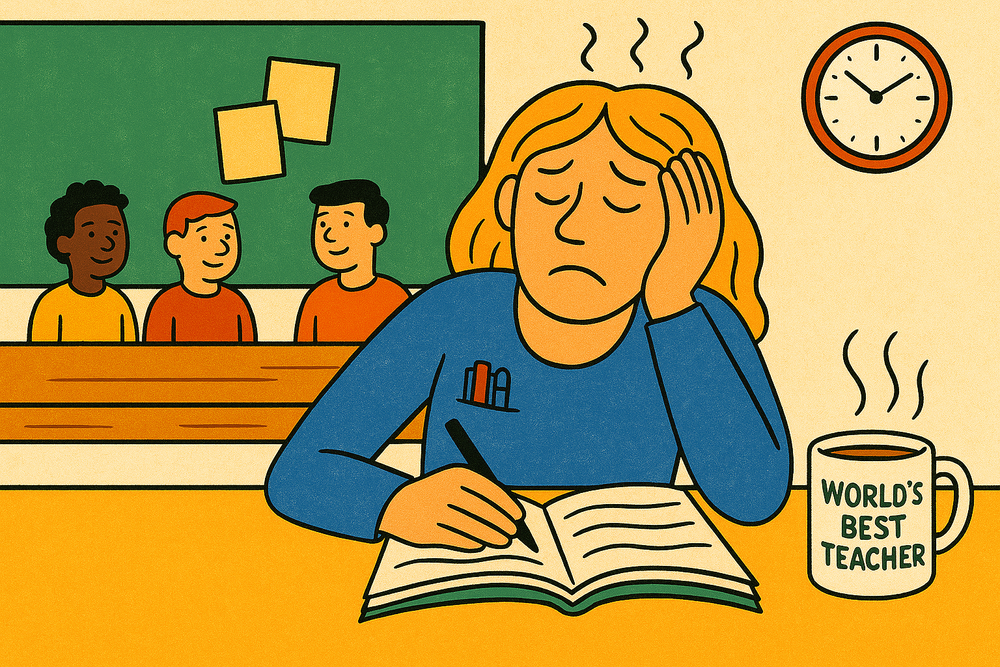
Educators give so much of themselves to pupils that their own wellbeing often slips down the list. This article shows how Mental Health First Aid principles can help teachers embed simple, guilt-free self care practices into the school day.
Nick Praulins - 28/08/2025
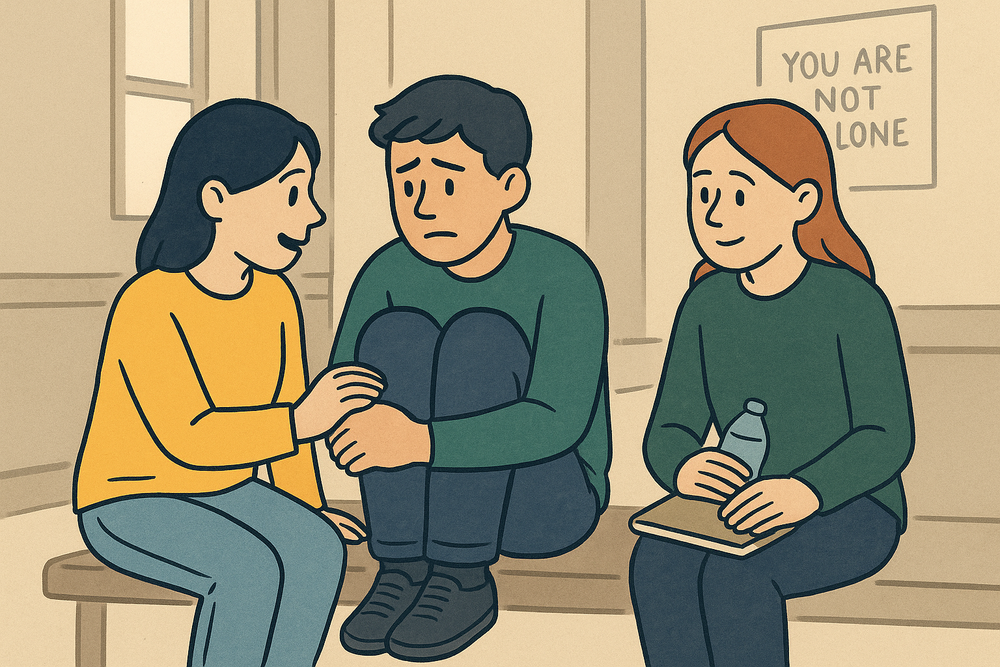
MHFA
When an LGBTQI+ student opens up to a peer, it can be a moment of deep courage and care. This article explores how schools can build safe, sustainable peer support programmes using Mental Health First Aid principles.
Nick Praulins - 16/06/2025
International Schools
Are your initiatives truly supporting staff wellbeing, or merely masking deeper issues? Learn the key differences between superficial feel-good strategies and effective, evidence-based mental health interventions.
Nick Praulins - 26/05/2025
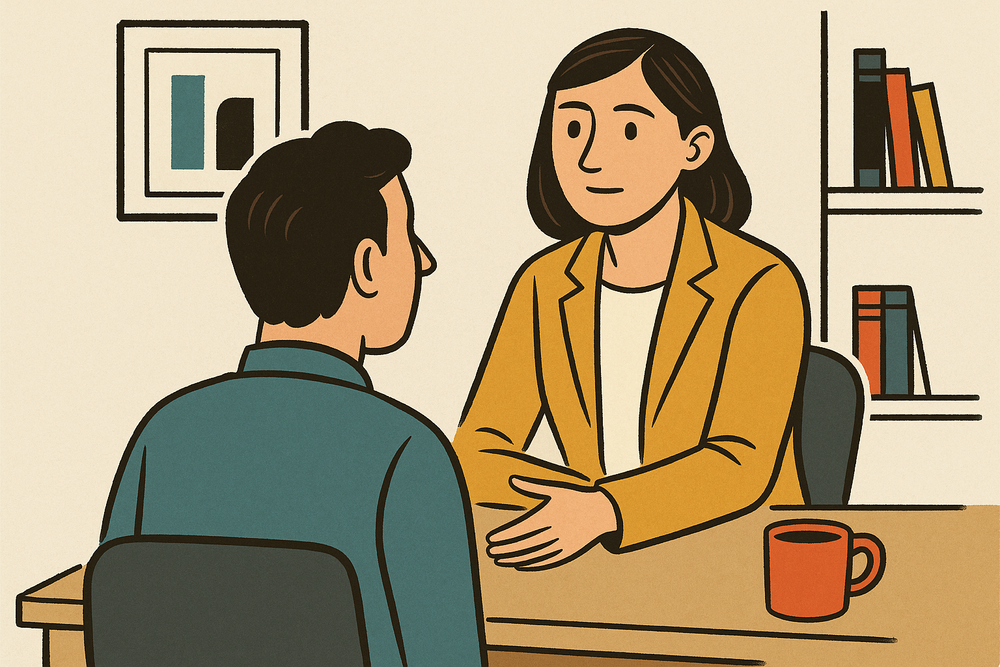
Mental Health Support Services
Why independently developed, MHFA-informed response training matters for school leaders, especially in international schools across Europe.
Nick Praulins - 03/05/2025
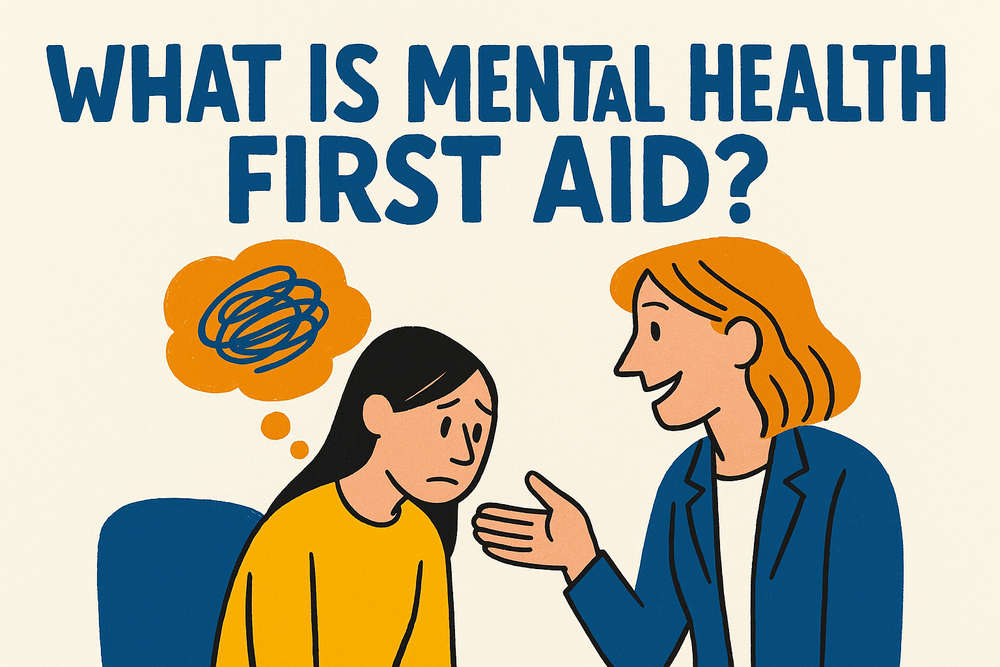
International Schools
When a quiet new student started slipping through the cracks, it wasn't a big intervention that made the difference - it was one small conversation. Learning to recognise and respond to early signs of distress can change everything.
Nick Praulins - 10/04/2025
Recommended next step
These articles look at wellbeing across a whole school, so the school programme page is the closest match.
Whole-school programmes for staff, students and families, in English and German.
Book a school discovery callFrom reading to training
These guides are the thinking behind our programmes. When you are ready to put it into practice, here is where it becomes live training.
Tell us a little about your school or family and we will reply with dates, formats and pricing - usually within one working day.
Our consulting and training work sits alongside your existing safeguarding and pastoral structures.