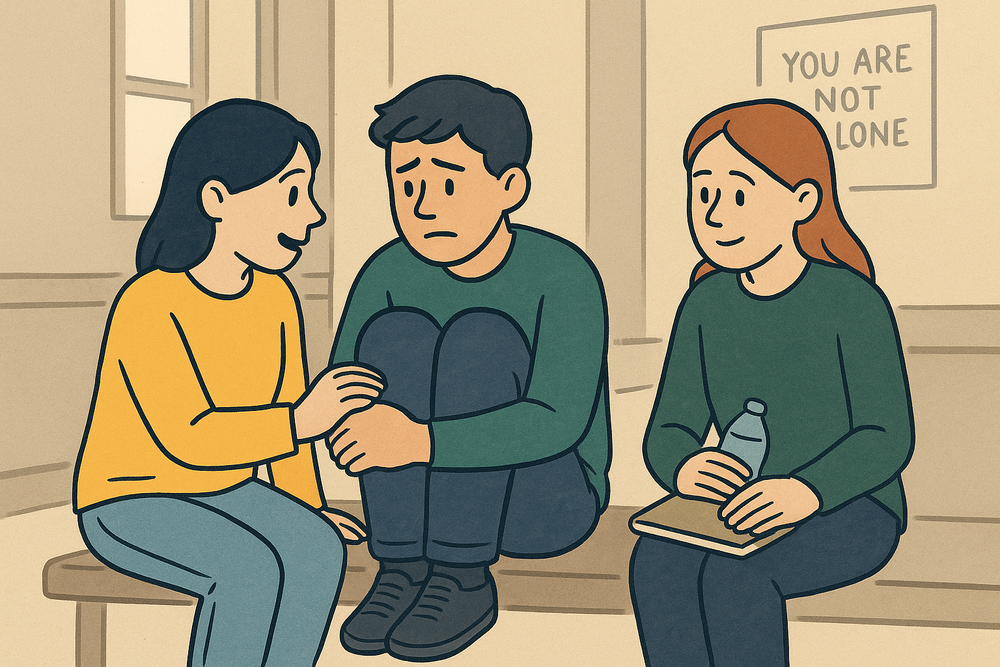
Why Mental Health Literacy Matters in International Schools
By Nick Praulins
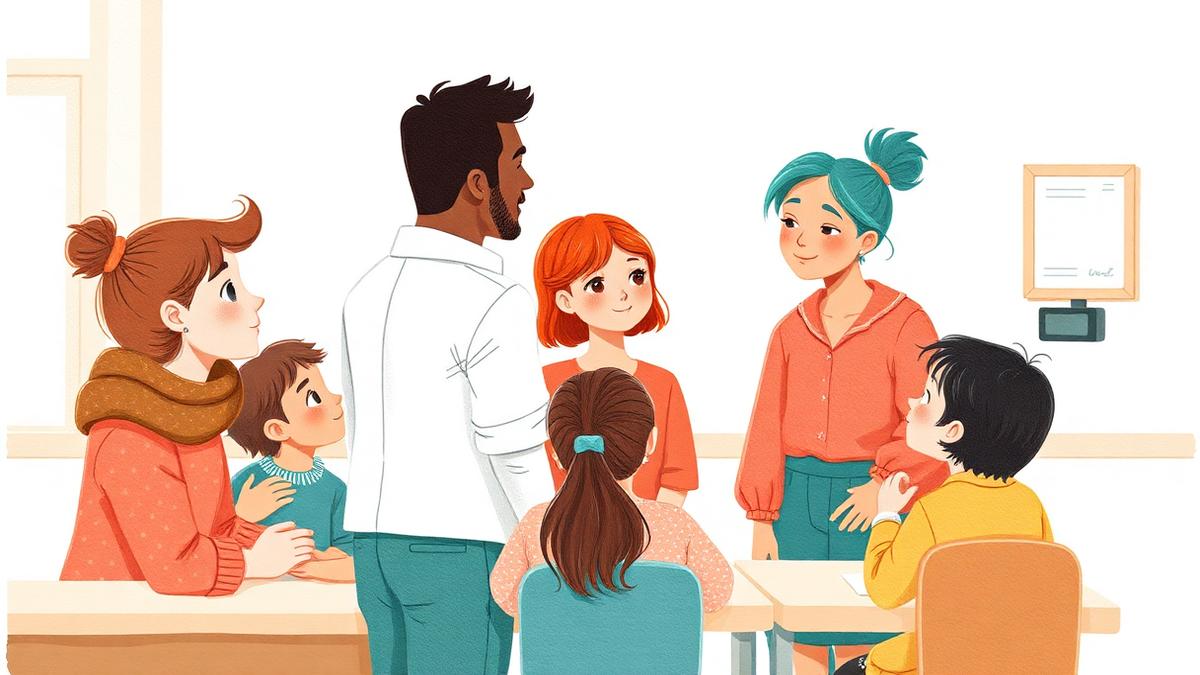
Mobility, multilingual communities and staff turnover make shared understanding harder to sustain in international schools. This article explains what mental health literacy is, why it matters here in particular, and how schools can build a common language across students, staff and families.
International schools sit at a crossroads of cultures, languages and expectations. Students arrive from very different systems, families bring different beliefs about what mental health means, and staff turnover means shared understanding has to be rebuilt every few years. In that context, mental health literacy is not a nice addition to the pastoral calendar. It is the shared vocabulary that lets a community notice difficulty early and respond in the same way.
What mental health literacy actually means
Mental health literacy is the ability to understand mental health, recognise when something is changing, know how to seek and offer help, and use language that reduces rather than reinforces stigma. It is knowledge that people can act on. A student who can name what they feel is far more likely to ask for support. A teacher who can describe a concern precisely is far more likely to be heard by a colleague.
Research on school based literacy programmes consistently reports improvements in knowledge, more positive attitudes towards people experiencing mental illness, and greater willingness to seek help. Wei and colleagues, in their systematic review of school mental health literacy interventions, found knowledge and attitude gains across a wide range of programmes and age groups. Those gains matter most where they translate into earlier conversations.
Why international schools feel this more sharply
Three pressures make literacy especially valuable in international settings. Mobility means students may lose their support network every few years. Multilingualism means the words for distress do not always translate cleanly, and a phrase that feels ordinary in one language can feel clinical or shameful in another. And cultural range means what one family reads as normal adolescent withdrawal, another reads as a warning sign.
Without a shared framework, each of those differences becomes a gap. A concern raised by a parent in one language is understood differently by a form tutor in another. Literacy closes the gap by giving everyone the same starting point.
Literacy and response are two sides of the same coin
Understanding on its own does not change behaviour. Literacy tells a community what it is looking at. A response framework tells that community what to do next. Our Youth Mental Health Response training pairs the two deliberately, so that the moment someone notices a change they also know how to hold the conversation and where to lead it.
What good practice looks like in a school
- Teach literacy to students, staff and parents rather than to one group in isolation.
- Use the same vocabulary in lessons, in staff briefings and in parent communication.
- Make the referral path visible, so knowing what to do is not a matter of guesswork.
- Revisit it annually, because staff and student populations change quickly.
- Measure willingness to seek help, not just satisfaction with the session.
Where to start
Most schools already do more than they realise. The work is usually about connecting existing pieces: an assembly here, a pastoral policy there, a counsellor whose expertise is not widely shared. Mapping what exists, then building a common language on top of it, is a faster route to change than another standalone workshop.
If you would like to see what that looks like in practice, our mental health literacy modules and whole-community approach pages set out how the pieces fit together.
Originally published on letsbe-real.eu.