What to say
Openers, follow-ups and the responses that quietly close a conversation down.
Let's Be Real - Mental Health for Young Minds
Practical guidance for the conversations that happen at the kitchen table, not in a clinic.
Openers, follow-ups and the responses that quietly close a conversation down.
How to sit with a teenager's distress without rushing to solve it.
Everyday habits that build the trust a young person draws on when things get hard.
Recognising when a conversation is not enough, and who to involve next.

Parents
Adolescence involves a lot of ordinary change, which makes early signs hard to read. A practical guide for parents on the patterns worth noticing, how to open a conversation, and what to do if something serious is said.
Jacqueline Klemke - 05/08/2026
Mental Health
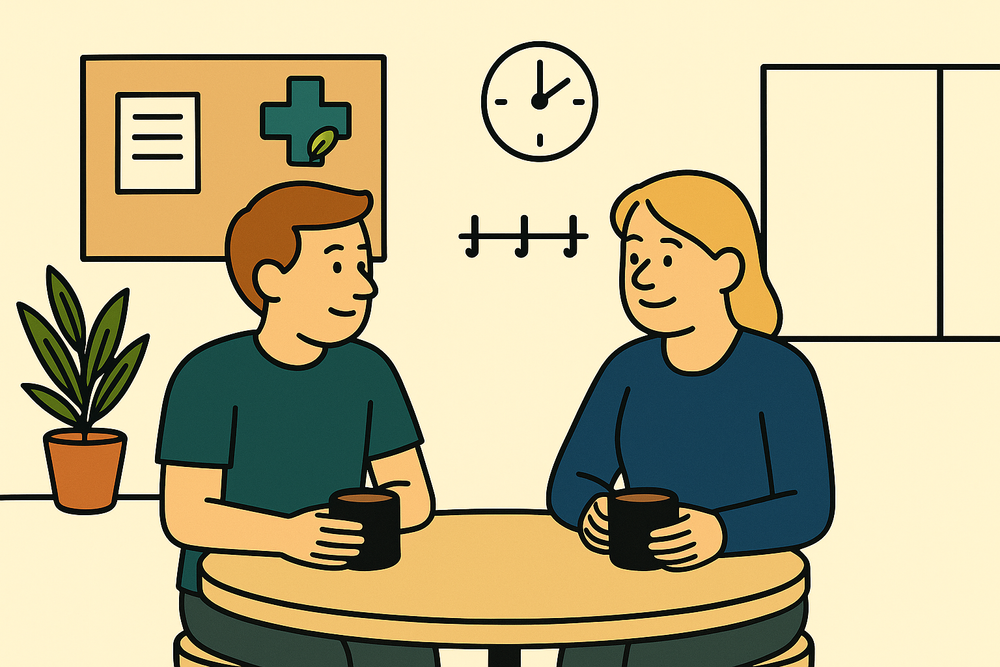
Educators give so much of themselves to pupils that their own wellbeing often slips down the list. This article shows how Mental Health First Aid principles can help teachers embed simple, guilt-free self care practices into the school day.
Nick Praulins - 28/08/2025
Mental Health
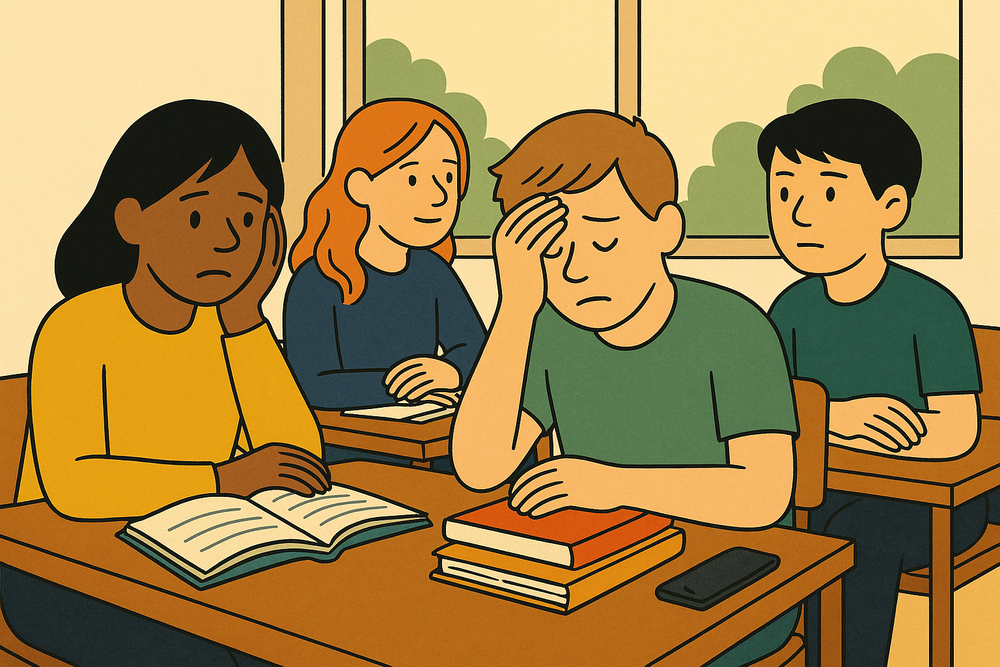
Only 7% of young people feel happy. Over half say their mental health isn't taken seriously, and schools aren't helping. In a world where pressure is constant and belonging is rare, mental health can't be 'extra credit' anymore. It must be core curriculum.
Jacqueline M. Klemke - 08/07/2025
Mental Health
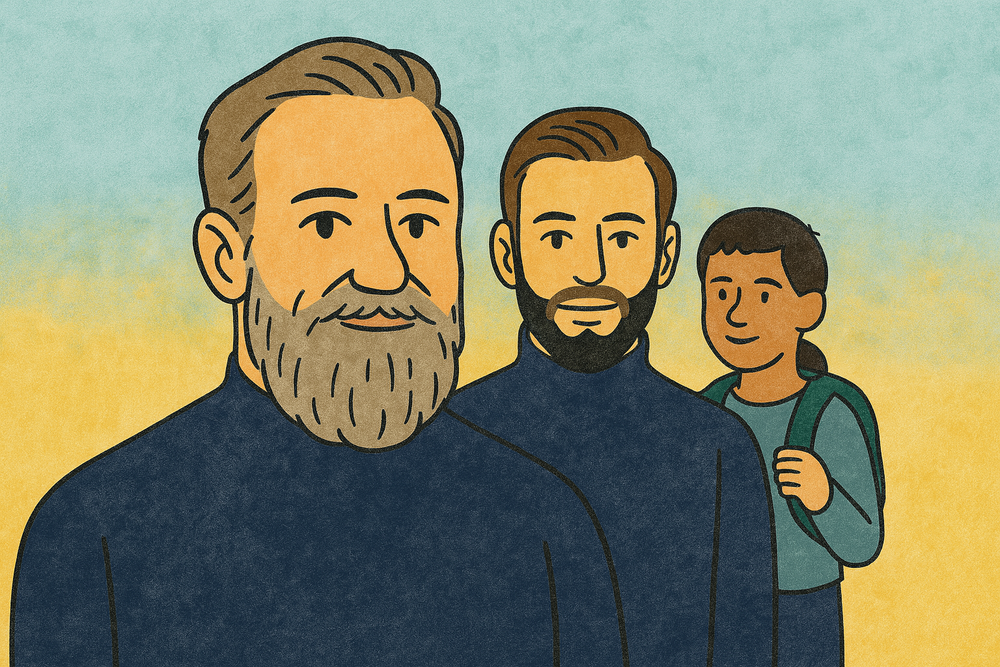
In a world that too often tells boys to hide their feelings, it's time we teach them that strength also means being vulnerable. A practical call to action for parents, mentors and educators to support boys' mental health.
Jacqueline M. Klemke - 03/07/2025
MHFA
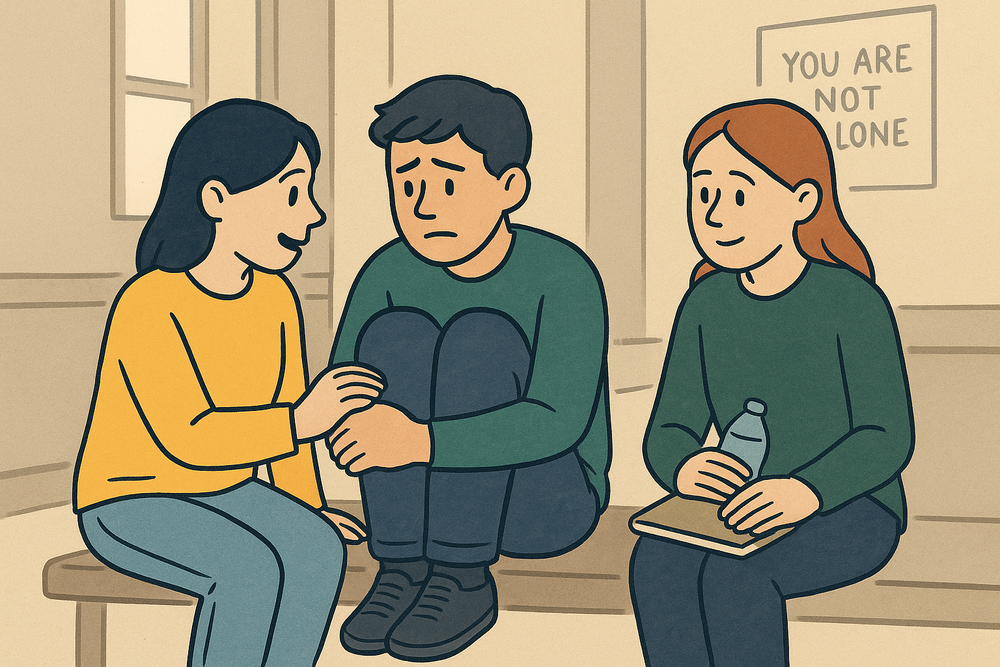
When an LGBTQI+ student opens up to a peer, it can be a moment of deep courage and care. This article explores how schools can build safe, sustainable peer support programmes using Mental Health First Aid principles.
Nick Praulins - 16/06/2025
International Schools
When a quiet new student started slipping through the cracks, it wasn't a big intervention that made the difference - it was one small conversation. Learning to recognise and respond to early signs of distress can change everything.
Nick Praulins - 10/04/2025
Recommended next step
These guides are for parents who want the conversation skills in practice - that is exactly what the NOTICE workshop teaches.
A 4-hour parent workshop delivered as two 2-hour live sessions.
Reserve your NOTICE placeFrom reading to training
These guides are the thinking behind our programmes. When you are ready to put it into practice, here is where it becomes live training.
Tell us a little about your school or family and we will reply with dates, formats and pricing - usually within one working day.
The NOTICE parent workshop turns this reading into skills you can use the same evening.