NOTICE - the parent workshop by Let's Be Real

When your teenager says “I’m fine” - but you know they’re not.

Learn how to notice what’s changed, open the conversation and know what to do when they finally talk.

NOTICE · 4 hours · €79.00 · Live online

“The conversations that matter rarely arrive neatly. They happen at the kitchen table, in the car, or in the long silence before bed.”

The belief behind our work

Does this sound familiar?

  • One-word answers at dinner.
  • Their bedroom door is shut more often than it used to be.
  • You ask how they are. They say “I’m fine” - and leave the room.
  • You lie awake wondering whether it is just a phase or something more.

The hardest part is not caring. It is knowing what to say.

Most parents we work with are not short of love or worry. What they describe is the fear of saying the wrong thing - and watching the door close a little further.

In our experience, more questions, more pressure or a quick fix often make teenagers retreat. What helps is a calmer way in, and knowing what to do once they start to talk.

Start tonight - free

10 Questions That Help Teenagers Open Up

Before you book anything, try one small thing. A one-page guide with ten gentle openers and the follow-ups that keep a conversation going. Pick one and use it tonight.

Send me the ten questions

We use your email only to send this guide and reply to you. See our privacy policy.

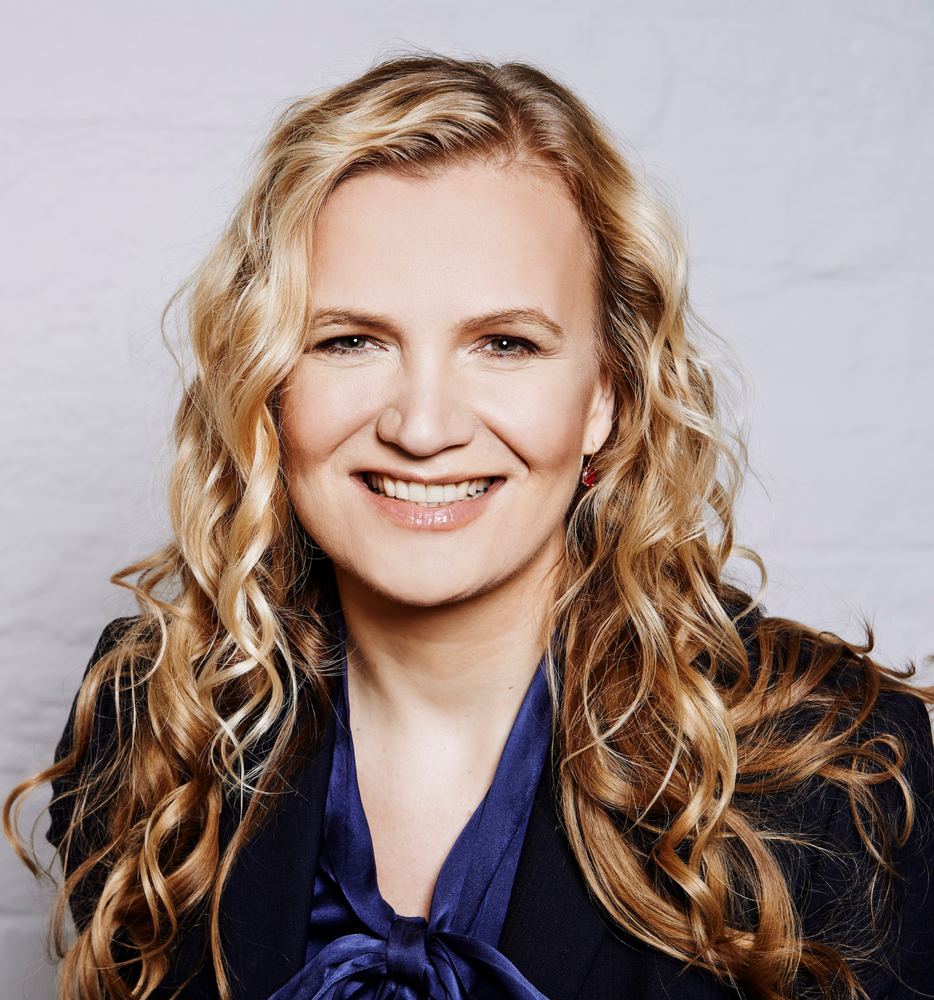
Portrait of Jacqueline Klemke

Who you will learn with

Jacqueline Klemke

Owner & Co-Founder, Mental Health & Wellbeing Consultant and Systemic Couples & Family Coach

After one of our workshops, parents asked whether we could support them if their child ever needed a therapist. At the time, the honest answer was “no”. That question changed my work - I began training as a psychotherapist (non-medical practitioner, Heilpraktikerin für Psychotherapie) so that the answer could become “yes”.

  • Systemic Couples & Family Coach
  • Psychotherapist (non-medical practitioner) in training
  • Youth Mental Health First Aider
  • Certified Train-the-Trainer

Parents

What parents are saying

Observed in sessions

Unprompted feedback from participants in our workshops - comments, not measured results.

"I see things differently now."

- Parent participant

"I know what to say."

- Parent participant

"I stopped trying to fix everything."

- Parent participant

"My child actually talked to me."

- Parent participant

"I feel more confident - and less frightened."

- Parent participant

"I came expecting to learn how to recognise signs of mental health difficulties. What I actually took away was a completely different way of talking to my child."

- Parent participant

"The biggest change for me was realising that I don't have to have the answer. I just need to stay in the conversation."

- Parent participant

"I left with practical language I could use that evening. It didn't feel like another parenting lecture. It felt useful."

- Parent participant

What changes after NOTICE

Before

  • Guessing what is going on
  • Worrying you will make it worse
  • Avoiding the topic until it feels urgent

After NOTICE

  • You know which changes to look for
  • You know how to open the conversation
  • You know what to do when they finally talk - and when to get more help

What you will be able to do afterwards

  • Recognise the early behavioural and emotional changes that often come before a young person says anything
  • Open a conversation without triggering the shutdown reflex
  • Respond to distress without rushing to fix, minimise or lecture
  • Stay steady when the feelings in the room are uncomfortable
  • Know when to involve school, a GP or a mental health professional - and how to say so
  • Keep mental health a normal topic at home rather than an emergency-only one

How the two sessions run

  • Session 1 - noticing: what changes look like at different ages, and what can sit behind the words “I'm fine”
  • Session 2 - responding: the ANCHOR framework applied to real family scenarios, including the conversations that go badly
  • Small live cohorts on Zoom, with practice in pairs and space for your own situations
  • One week between sessions so you can try the skills at home and bring back what happened

The ANCHOR framework

A - Arrive calm, N - Notice, C - Confirm you've heard, H - Honour the limits, O - Organise support, R - Return - six steps you can use the same evening, taught with real family examples rather than clinical theory.

Who it is for

Parents and carers of children aged roughly 9 to 18, whether or not you are currently worried. No prior knowledge, no reading, no clinical background required. Grandparents, step-parents and guardians are equally welcome.

Dates & booking

Pick your cohort.

English cohort - October

Sold out

4 hours that could change the way you handle difficult conversations at home.

€79.00 per parent · two live sessions · practical framework · small cohort

  • Session 1 - Sunday 18 October 2026, 19:00–21:00 Germany time
  • Session 2 - Sunday 25 October 2026, 19:00–21:00 Germany time

Online via Zoom · Refunds up to 30 days before

No places left. New English dates will be announced - the German cohort in November still has places.

See the November cohort

Deutsche Version

4 hours that could change the way you handle difficult conversations at home.

€79.00 per parent · two live sessions · practical framework · small cohort

  • Session 1 - Sunday 1 November 2026, 19:00–21:00 Germany time
  • Session 2 - Sunday 8 November 2026, 19:00–21:00 Germany time

Online via Zoom · Refunds up to 30 days before

Reserve a place

Target age groups

One workshop, examples tuned across three stages. Parents of children in more than one band regularly attend together.

  • Ages 9-11

    Late primary. Feelings still get named out loud, but worry, friendship pressure and school anxiety start to show up as body complaints and bedtime resistance.

  • Ages 11-14

    The transition years. Conversations get shorter, privacy grows and the first real distress often hides behind irritability or withdrawal. Many of the workshop examples come from this age group.

  • Ages 14-18

    Older teens. Identity, achievement pressure, phones and friendships dominate. The task shifts from asking questions to keeping the door open without pushing.

How the method fits together

ANCHOR is the six-step method. NOTICE, HOLD and LEAD teach it to the three groups of adults around a young person, as part of Youth Mental Health Response.

  1. The methodANCHORSix steps for a calm, safe supportive conversation.
  2. ParentsNOTICEParent mental health workshop: early signs and open conversations at home.You are here
  3. Teachers and pastoral staffHOLDMental health response training for teachers: notice, stay present, hand over.
  4. School leaders and counsellorsLEADMental health leadership training: pathways, documentation, supervision.

Common questions

What is the NOTICE parent workshop?
NOTICE is a 4-hour parent workshop delivered as two 2-hour live sessions online for parents and carers on how to talk with children and teenagers about mental health. It teaches the ANCHOR framework - A - Arrive calm, N - Notice, C - Confirm you've heard, H - Honour the limits, O - Organise support, R - Return - so you can respond well when your child opens up.
How long is it and what does it cost?
A 4-hour parent workshop delivered as two 2-hour live sessions on Zoom, one week apart, for €79.00 in total. Refunds are available up to 30 days before the first session.
Which age groups is it for?
Parents and carers of children roughly aged 9 to 18. Most examples sit in the 11 to 16 range, where withdrawal, irritability and the flat “I'm fine” are most common, but the skills work either side of that.
Do I need any prior knowledge?
No. There is nothing to read beforehand and no clinical background needed. You do not have to be worried about your child to find the workshop useful.
Will this turn me into a therapist?
No. It helps you become the safe, trusted adult your child can turn to, and shows you when to involve the school or a professional.
Is it available in German, and can a school book it privately?
Yes to both. There are separate English and German cohorts, and schools regularly commission a private parent cohort for their own community.

Ask us about NOTICE

Not sure it is the right fit, or want a private cohort for your school? Send us a note and we will reply, usually within one working day.

About your school
Area of interest (optional)

We use your details only to reply to this enquiry. See our privacy policy.

Join the next NOTICE cohort

Cohorts run through the school year in English and German, with a private option for schools who want their whole parent community trained together.