Specialist training for schools · with Kelly Lynn Redden
Neurodiversity Training for Schools: ADHD, Autism and Dyslexia
Bespoke staff training that connects how a young person feels with how they experience school - so teachers can turn understanding of ADHD, autism and dyslexia into practical, strengths-based classroom practice.
Why mental health training and neurodiversity training belong together
Mental health training helps staff notice distress and respond well. Neurodiversity training helps staff understand how a young person learns, communicates, processes sensory input and experiences the school day. Each answers a different question - and schools need both.
Without the first, a struggling neurodivergent student can be read as "just their ADHD" or "just their autism" while anxiety or low mood goes unnoticed. Without the second, well-meant support can miss the everyday barriers that cause the distress in the first place.
HOLD builds mental health response capability.
Kelly's specialist training develops neurodivergence-informed educational practice. Together, they bridge understanding a young person's mental health and understanding how that young person experiences school.
What teachers learn - and apply in the classroom
Understanding differences and individual support needs
What ADHD, autism and dyslexia can mean for attention, communication, sensory processing, executive functioning and literacy - and why two students with the same diagnosis may need very different support.
Recognising distress without assuming its cause
How to spot when a student is overwhelmed, masking or withdrawing - without assuming every difficulty is caused by neurodivergence, or that neurodivergence explains everything.
Building on strengths while addressing barriers
Moving from deficit-based to strengths-based thinking: noticing what a student does well and using it to reduce the barriers to learning and participation.
Making practical, reasonable classroom adjustments
Low-effort, high-impact changes to instructions, routines, environment and assessment, drawing on Universal Design for Learning and low-arousal approaches.
Knowing when to involve others
When and how to involve families, learning-support specialists or health professionals - and how to share observations respectfully and accurately.
Tailored to your school
No two sessions are the same. Before any training, Kelly talks with your leadership or learning-support team about three things:
- Age groups - from primary to secondary and sixth form, so examples match the students your staff actually teach.
- Existing knowledge - whether staff are new to the topic or already experienced, so time goes into what they don't yet know.
- Your priorities - for example transitions, sensory-aware classrooms, executive functioning, communication, inclusive policy or working with families.
Sessions can be designed for teachers, teaching assistants, pastoral and learning-support teams, school leaders and counsellors.
Formats
Whole-school INSET
A half or full training day for all staff, building a shared, neuroinclusive language across the school.
Focused workshops
Deep dives for a specific team or topic - such as learning support, a year group or executive functioning.
Twilight sessions
Shorter after-school sessions that fit into a regular CPD calendar.
Follow-up support
Optional follow-up to review what staff have tried, troubleshoot and plan next steps.
Every format is planned with your school; we will recommend the one that fits your goals and timetable.
Your school development pathway
1. NOTICE
Build awareness
Help the wider school community recognise emotional distress and understand how to start supportive conversations.
2. HOLD
Build response skills
Equip teachers and pastoral staff to respond to young people with confidence, understand their role and recognise when further support is needed.
3. You are here
Neurodivergence training with Kelly
Develop a deeper understanding of ADHD, autism and dyslexia, and translate that understanding into practical, strengths-based and neuroinclusive classroom approaches.
4. Embed
Sustain the change
Help the school translate learning into everyday practice, staff collaboration, inclusive policies and appropriate support pathways.
Your trainer
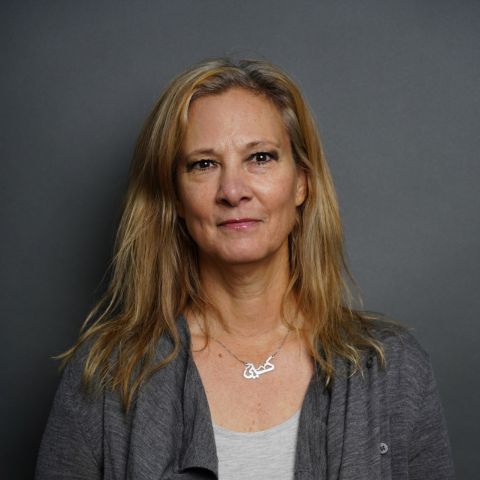
Kelly Lynn Redden
Trainer - ADHD, Autism & Dyslexia
Kelly designs and delivers customised training for schools. A special educator with 30+ years of international experience and lived experience of autism, she holds a Master's in Special Education and a PgDip in Analysis and Intervention in Learning Disabilities.
Read Kelly's full profileEnquire about a bespoke session
Tell us about your school, the age groups you teach and what you would like staff to be able to do. We will reply personally and suggest a format.