How Parents Can Notice Early Signs of Mental Health Struggles in Teenagers
By Jacqueline Klemke

Adolescence involves a lot of ordinary change, which makes early signs hard to read. A practical guide for parents on the patterns worth noticing, how to open a conversation, and what to do if something serious is said.
Adolescence involves a lot of ordinary change. Sleep shifts, moods swing, friendships rearrange and privacy becomes important. That makes early signs of mental health difficulty genuinely hard to read, and it is why so many parents describe the same worry: what if I make too much of nothing, or too little of something?
Look for patterns, not moments
A single bad week is not a signal. What is worth attention is a change that persists, that appears in more than one part of life, and that is out of character for your young person. The three questions that help most are: how long has this been going on, how many areas of life does it touch, and how different is it from who they usually are?
Changes worth noticing
- Sleep that changes markedly, in either direction, for several weeks.
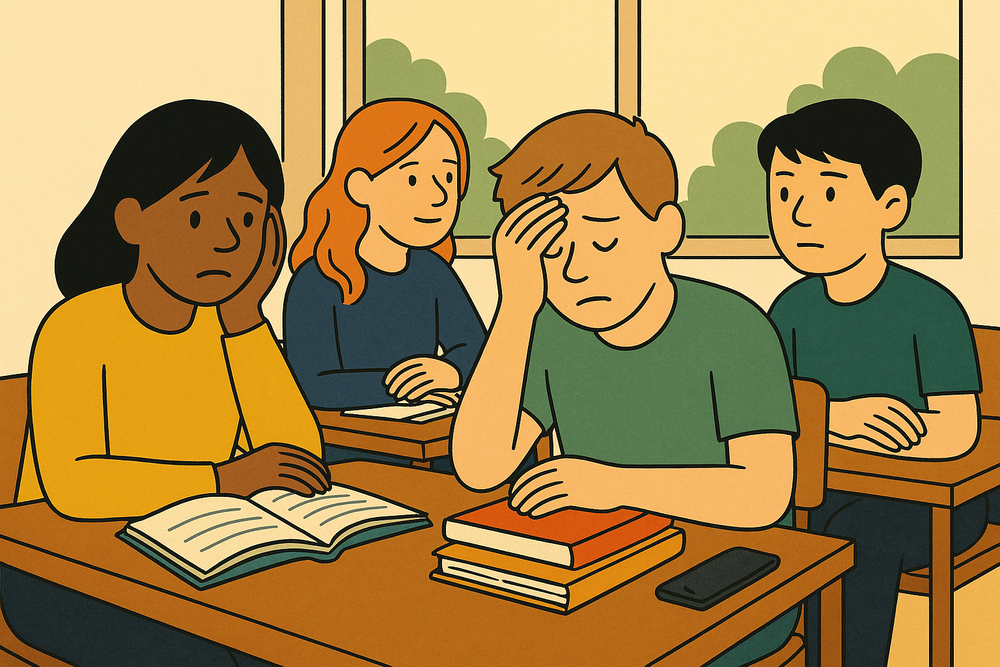
- Withdrawal from friends or activities they used to care about.
- Falling engagement with school that is not explained by a specific subject or teacher.
- Irritability or flatness that has become the default rather than the exception.
- Changes in appetite, energy or self care.
- More absolute language about themselves: always, never, pointless.
None of these mean a diagnosis. They mean it is worth a conversation.
How to open the conversation
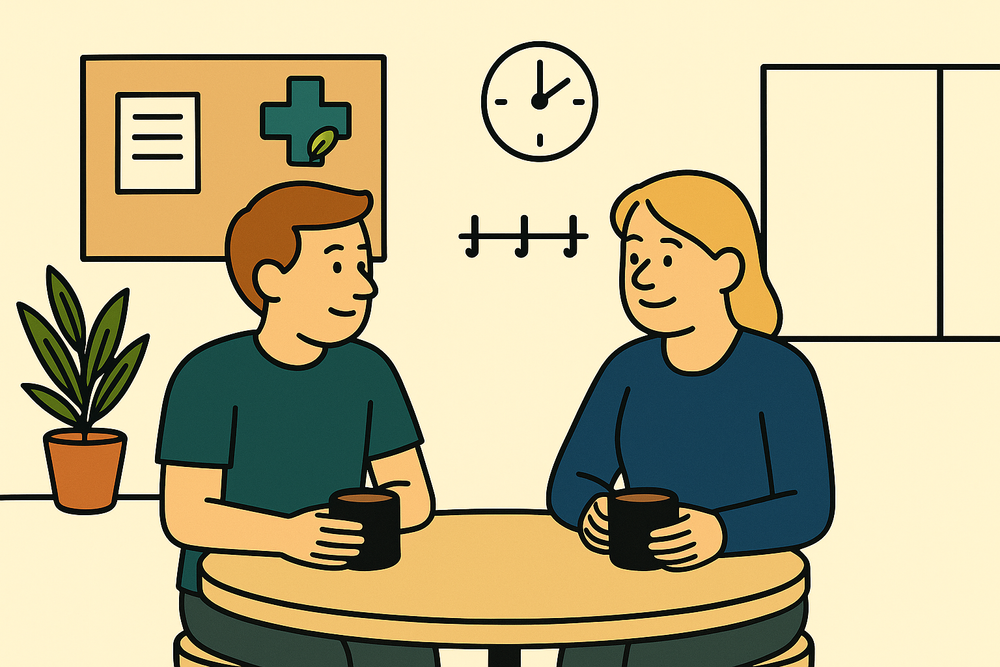
Start with an observation rather than a question about feelings. "I have noticed you have been up late most nights this month" is easier to receive than "are you depressed?". Name what you have seen, say that you have noticed because you care, and then leave space. Silence is not failure; it is often where the answer forms.
Side by side conversations work better than face to face ones for many teenagers. A car journey, a walk or a shared task lowers the intensity enough for something honest to be said.
What to do if they say something serious
Stay calm and stay in the conversation. You do not have to fix it, and you should not promise secrecy. Thank them for telling you, ask what would help, and agree together on the next step. If there is any mention of self harm or of not wanting to be here, contact your GP or local mental health service the same day, and use emergency services if there is immediate risk.
Working with the school
Schools see a different slice of your young person's life. Sharing what you have noticed at home, in plain descriptive language, gives the school something they can act on. Our parent workshops cover this in more depth, and our whole-community approach explains how home and school can respond in the same way.
Originally published on letsbe-real.eu.