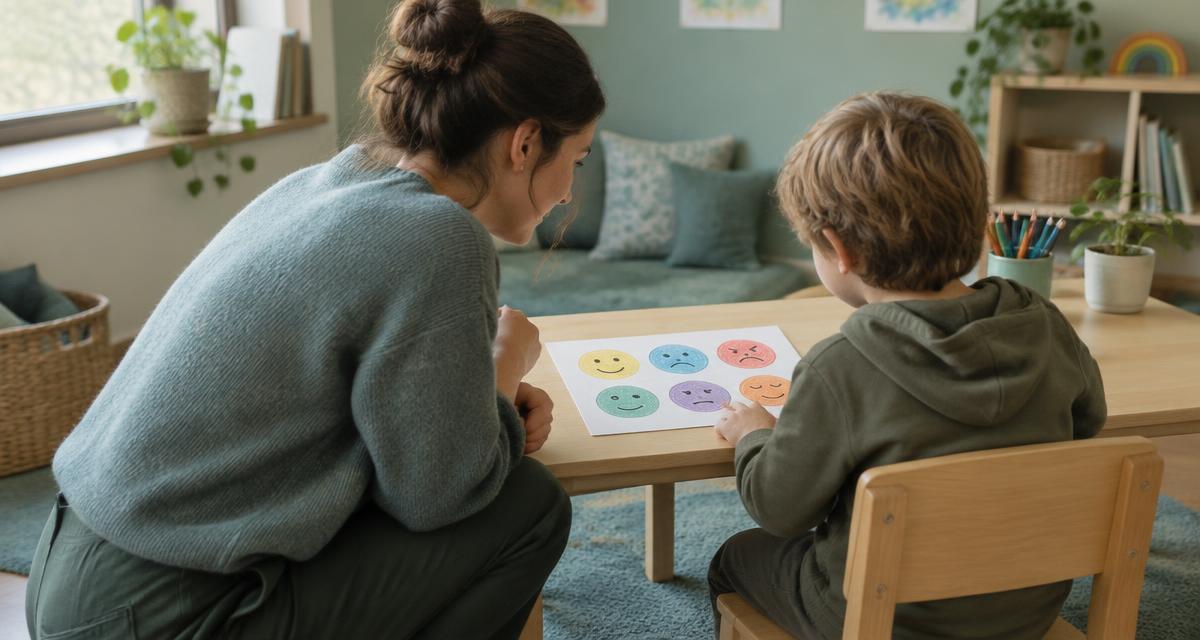
Let's Be Real Joins ECIS to Support Mental Health and Wellbeing in International Schools
By Nick Praulins
Let's Be Real is proud to join the European Council of International Schools (ECIS) as a commercial member; strengthening our commitment to supporting student mental health and wellbeing across Europe.
Listen: Let's Be Real Joins ECIS to Support Mental Health and Wellbeing in International Schools
American English · AI-narrated
Listen to Nick Praulins explain the ideas explored in this article. Let's Be Real is proud to join the European Council of International Schools (ECIS) as a commercial member; strengthening our commitment to supporting student mental health and wellbeing across Europe.
Read the full article
We are proud to announce that Let’s Be Real has joined the European Council of International Schools (ECIS) as a commercial member . This marks an important step in our mission to support international schools across Europe with practical, real-world solutions for student mental health, and wellbeing.
Supporting schools with mental health and wellbeing
Today’s students face unique challenges; from social media pressures to identity struggles and the increasing demands of a “phone-first” world. Schools are on the front line of this mental health crisis, but educators and families don’t have to face it alone.
At Let’s Be Real, we provide:
- Wellbeing workshops for students, parents, and teachers
- Certified Mental Health First Aid training for educators and families
- Consulting services to strengthen whole-school approaches to wellbeing
Our goal is simple: to equip young people with the tools to thrive, and to ensure the adults in their lives feel confident and supported in guiding them.
What ECIS membership means for international schools
By becoming a commercial member of ECIS, we can bring our expertise in mental health education to a wider community of international schools. This partnership means:
- Easier access for schools to tailored wellbeing programs
- Opportunities to collaborate with a global network of educators
- Practical strategies to help schools create inclusive, resilient, and connected communities
Through ECIS, we’ll share insights, build partnerships, and work with schools across Europe to address the urgent challenges of student wellbeing in international education.
Looking ahead
Joining ECIS gives us the platform to contribute meaningfully to the international education community, supporting schools in their mission to nurture not only academic success but also mental health, resilience, and belonging .
At Let’s Be Real, we believe schools can be the change-makers in this global mental health conversation. And we’re excited to take this step forward with ECIS.
Evidence and sources informing this article: European Council of International Schools (ECIS) (opens in a new tab).
Putting this into practice as a school leader
An example from a school
A secondary school runs a wellbeing week every spring, yet pastoral referrals keep rising and staff say they don't know what to do after a student discloses. The senior team maps what already exists – training records, referral routes, who staff turn to – and finds that only the counsellor feels confident responding. They set one measurable goal for the year: every tutor trained to respond, and a referral route all staff can describe.
Questions to ask your team
- "If a student told you today they were struggling, what would you do next, and who would you tell?"
- "Which of our wellbeing activities can we show have changed anything?"
- "Where do parents go when they are worried about their child?"
Implementation checklist
- Map current training, policies and referral routes before buying anything new.
- Ask staff, not only the wellbeing lead, how confident they feel responding.
- Set one or two measurable goals for the year, for example training coverage or referral clarity.
- Give one named person ownership and protected time.
- Review progress each term and report it to governors or the board.
Research and guidance behind this
- WHO and UNICEF: Mental health and psychosocial wellbeing in schools – WHO and UNICEF framework for a whole-school approach to mental health.
- Crockett et al., JAMA Network Open, 2025 – 2025 meta-analysis of school-based mental health interventions.
- Caldwell et al., The Lancet Psychiatry, 2019 – Evidence on how schools organise mental health provision.
Originally published on letsbe-real.eu.